
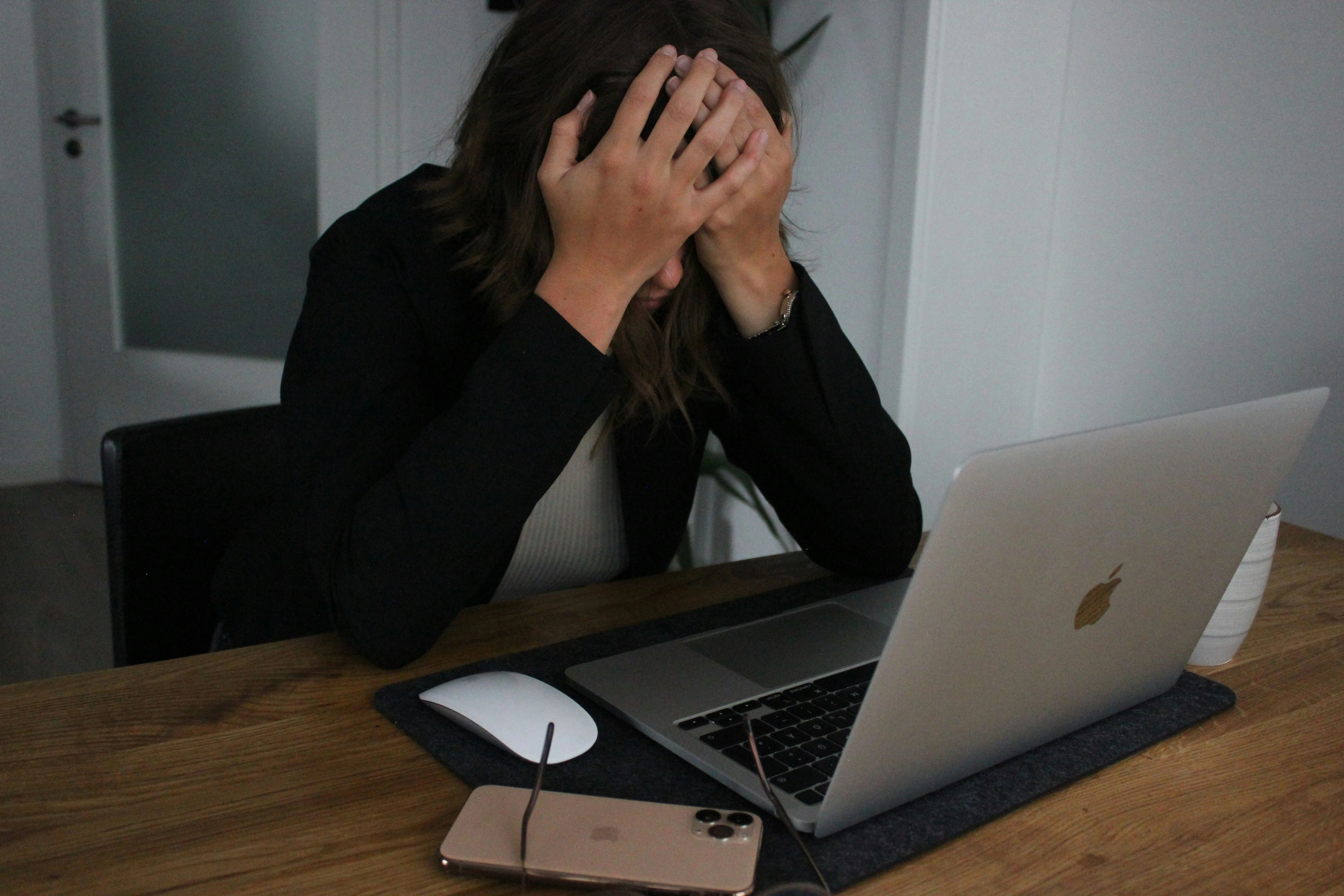
You went to bed on time. You slept for seven or eight hours. And yet, when morning arrives, your body feels heavy, your mind feels slow, and the day already feels exhausting.
If this sounds familiar, you’re not alone.
In today’s world, feeling tired has become the default state — even for people who are technically “getting enough sleep.” The problem isn’t always how long you sleep. Often, it’s what’s happening around your sleep, inside your mind, and throughout your day.
Let’s talk about why this happens.
1. Sleep Quantity Is Not the Same as Sleep Quality
Most of us measure sleep in hours, not in rest.
You can lie in bed for eight hours and still wake up tired if:
-
Your sleep is frequently interrupted
-
You scroll on your phone before bed
-
Your mind stays active with worries
-
You sleep at inconsistent times
Your body needs deep, uninterrupted sleep cycles, not just time on a mattress. When those cycles are broken, your brain doesn’t fully recharge — and you wake up already drained.
If you feel sleep is something you can “fix later,” this article explains why [sleep is not just a routine but a priority your life depends on].
2. Mental Fatigue Is More Exhausting Than Physical Work
One of the biggest reasons people feel tired today is mental overload.
Even when you’re not moving much physically, your brain is constantly:
-
Processing notifications
-
Making decisions
-
Switching between tasks
-
Absorbing information
This invisible effort slowly consumes your energy. Unlike physical tiredness, mental fatigue doesn’t go away with sleep alone — it needs mental rest, which many of us never truly get.
3. Stress Keeps Your Body in Survival Mode
When you’re under constant stress, your body doesn’t relax — even at night.
Stress hormones like cortisol remain active, which:
-
Disrupts deep sleep
-
Keeps your nervous system alert
-
Makes your body feel “on edge”
So even if you sleep, your body never fully switches off. Over time, this leads to a persistent feeling of exhaustion that sleep alone can’t fix.
This is often a sign of burnout, and learning how to slow down intentionally can help — something discussed deeply in [From Burnout to Balance: Embracing Slow Productivity in 2026].
4. Always Busy, Rarely Rested
Modern life rewards being busy, not being rested.
We often confuse:
-
Rest with inactivity
-
Relaxation with scrolling
-
Breaks with distraction
But real rest means:
-
Moments of mental silence
-
Slower pace
-
Being present without pressure
Without this kind of rest, your energy keeps leaking throughout the day — no matter how much you sleep at night.
5. Lack of Movement Drains Energy Instead of Saving It
It sounds strange, but not moving enough can make you more tired.
Long hours of sitting:
-
Reduce blood circulation
-
Slow metabolism
-
Increase stiffness and mental fog
Light movement — walking, stretching, gentle exercise — actually creates energy, not consumes it. Without it, your body stays in a low-energy state all day.
This is why many people feel stuck and exhausted at the same time — [always busy but still not moving forward in life].
6. Emotional Weight We Don’t Talk About
Unprocessed emotions — worry, dissatisfaction, pressure, comparison — silently exhaust us.
When you’re carrying emotional weight:
-
Your mind never truly rests
-
Sleep feels shallow
-
Motivation drops
This kind of tiredness isn’t laziness. It’s emotional fatigue, and it’s very real.
Sometimes, easing this weight starts with perspective and gratitude — a reminder explored beautifully in [learning to be grateful for the life you already have].
So… What Can You Do? (Without Changing Your Whole Life)
You don’t need a perfect routine. Start small.
-
Reduce screen time 30 minutes before sleep
-
Sleep and wake up at roughly the same time
-
Take short walks during the day
-
Pause instead of multitasking constantly
-
Give your mind moments of quiet — no input
Even tiny changes can slowly restore your energy.
A Gentle Reminder
Feeling tired all the time is not a personal failure.
It’s a sign that your body and mind are asking for a different kind of care — not more effort.
Rest isn’t something you earn after exhaustion.
It’s something you need to function as yourself.
If you feel tired even after sleeping, maybe what you need isn’t more sleep — but more balance.





Comments
Comments are currently disabled for this article.