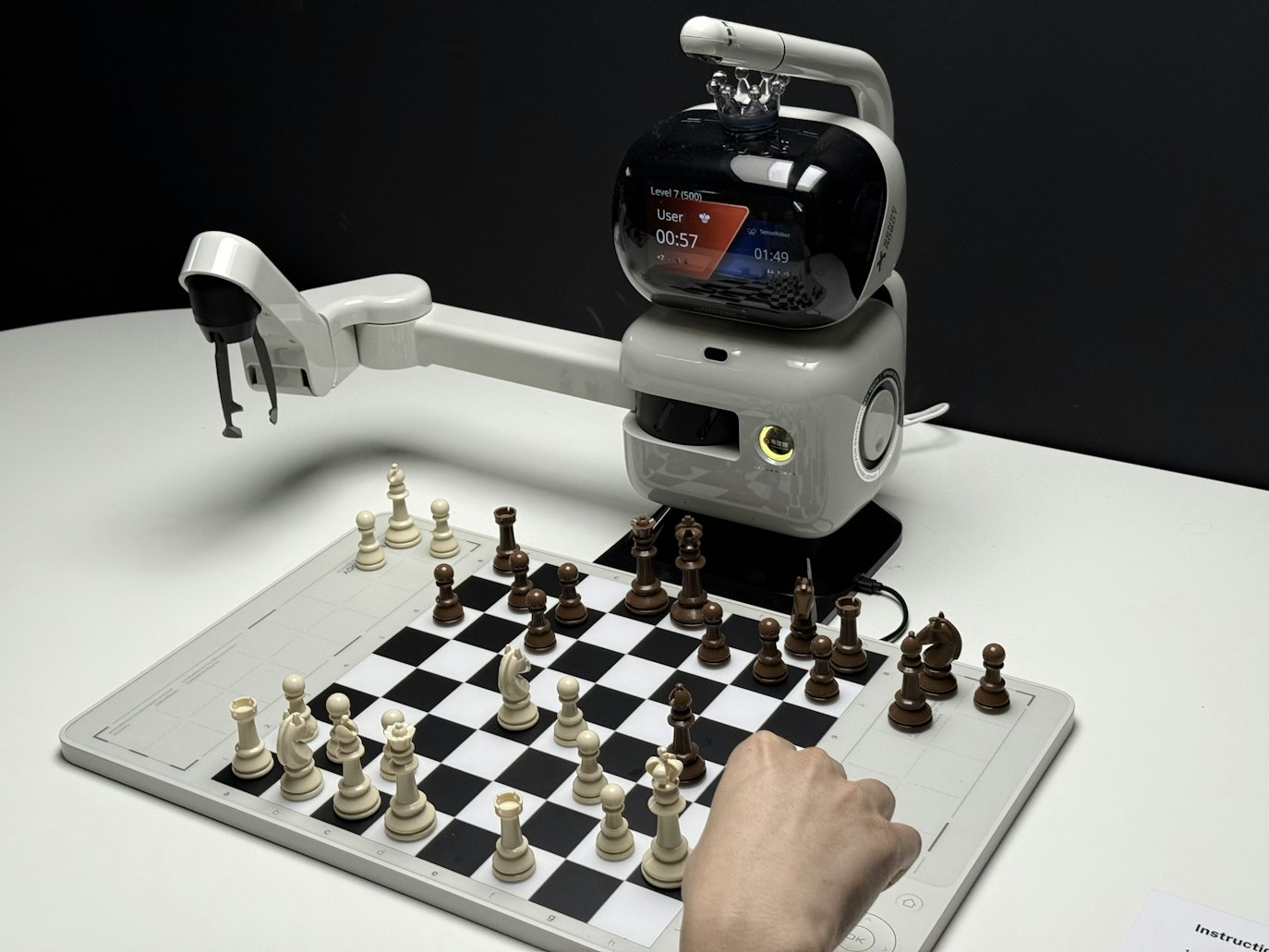
Artificial Intelligence is transforming the creative world at an incredible pace.
From writing articles to generating artwork and composing music, AI tools are now capable of producing content that once required human imagination. This rapid evolution has sparked an important debate: AI vs Human Creativity — who truly wins?
Is artificial intelligence replacing human originality, or is it simply becoming a powerful tool that enhances creative potential? To understand this, we must examine the strengths and limitations of both.
Understanding Human Creativity
Human creativity is deeply rooted in emotion, experience, and consciousness. Every idea, story, painting, or invention created by a person is shaped by their personal journey, cultural background, and emotional state.
Creativity for humans is not just about producing something new. It is about expressing feelings, communicating meaning, and connecting with others. A novelist writing about heartbreak draws from real emotional pain. A filmmaker creating a powerful scene often reflects personal struggles or observations about society.
Humans also have the ability to think abstractly. We can imagine possibilities beyond current reality. We question, dream, and take risks. Many of history’s greatest innovations were born from curiosity and bold thinking rather than data patterns.
This emotional depth and intentional expression give human creativity a unique authenticity that resonates strongly with audiences.
How AI Creates Content
Artificial Intelligence operates differently. AI does not feel emotions or experience life. Instead, it analyzes large amounts of data, identifies patterns, and generates responses based on probability and learned information.
Organizations like OpenAI have developed advanced language models capable of producing essays, stories, and scripts that sound remarkably human. Similarly, companies such as Adobe integrate AI into design tools to generate graphics and visual effects within seconds.
AI’s creative process is computational. It recombines existing data to produce something that appears new. While the output may be impressive, it is based on patterns rather than personal experience or intention.
Strengths of AI in Creativity
AI has several clear advantages in the creative field.
First, speed. AI can generate content within seconds. What might take a human writer several hours, an AI system can complete almost instantly.
Second, scalability. AI can produce thousands of variations of a design, advertisement, or caption without fatigue. This makes it extremely valuable for businesses that require high-volume content production.
Third, data-driven precision. AI can analyze trends, audience preferences, and performance metrics to create optimized content. This helps brands tailor their messaging more effectively.
Finally, accessibility. AI tools allow individuals without formal creative training to produce professional-looking work. This democratizes creativity and opens opportunities for more people.
Strengths of Human Creativity
Despite AI’s efficiency, human creativity continues to lead in key areas.
Humans possess emotional intelligence. We understand nuance, humor, cultural context, and subtle social cues. These elements are critical in storytelling, branding, and artistic expression.
Humans also bring originality beyond patterns. While AI relies on existing data, humans can imagine ideas that have never existed before. Breakthrough innovations often come from challenging norms and thinking beyond established systems.
Ethical reasoning is another human advantage. Creative decisions sometimes require moral judgment and empathy, qualities AI does not truly possess.
Most importantly, humans create with intention. There is purpose behind art, writing, music, and innovation. This intention often gives creative work deeper meaning.
Areas Where AI Is Leading
In certain tasks, AI already outperforms humans.
AI excels in repetitive or structured creative tasks such as product descriptions, social media captions, email templates, and SEO-based blog outlines. It is also highly effective in brainstorming sessions, offering quick suggestions that creators can refine.
For businesses focused on efficiency and productivity, AI provides a competitive advantage by reducing time and costs.
The Power of Collaboration
Rather than viewing the situation as a competition, many experts see it as a collaboration.
When humans and AI work together, the results can be powerful. Writers can use AI to draft outlines and overcome creative blocks, then refine the content with their unique voice. Designers can generate initial concepts using AI and enhance them with personal artistic direction.
This partnership allows humans to focus more on strategy, storytelling, and innovation while AI handles repetitive tasks.
The future of creativity may not be AI replacing humans, but humans learning how to use AI effectively.
Can AI Truly Be Creative?
The question of whether AI is genuinely creative remains debated.
Creativity traditionally involves producing something novel and meaningful. AI can certainly generate novel outputs by combining information in new ways. However, it lacks consciousness and emotional awareness.
AI does not have dreams, ambitions, or personal experiences. It does not create from passion or struggle. Instead, it simulates creativity through data processing.
This distinction suggests that while AI can mimic creativity impressively, it does not replace the human essence behind original expression.
Final Verdict: Who Wins?
If the goal is speed, scale, and efficiency, AI clearly has the advantage.
If the goal is emotional depth, authenticity, and meaningful storytelling, human creativity remains unmatched.
The real winner is not one over the other. The future belongs to those who can combine human imagination with artificial intelligence tools.
AI is transforming the creative landscape, but it is not eliminating human originality. Instead, it is reshaping how creativity is produced and expanding what is possible.
In the digital age, creativity is evolving — and those who adapt will thrive.




Comments
Comments are currently disabled for this article.